
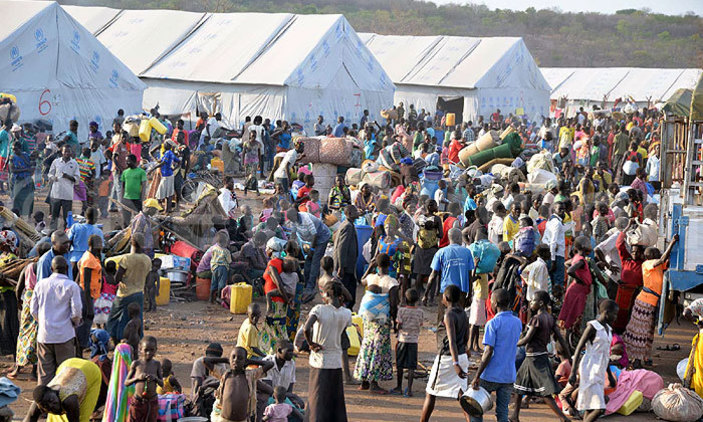
Kampala - As the world marks World Refugee Day, renewed debate has emerged in Uganda over the country's refugee policy, with some stakeholders calling for a review of the system amid increasing refugee numbers and declining international support.
The refugee crisis traces its roots to the aftermath of the First World War (1914–1918), when millions of people were displaced by conflict. European nations initially agreed to allow refugees to move to safer countries that had not been affected by war. However, the arrangement proved inadequate as refugee numbers rose dramatically during the Second World War (1939–1945), leaving many displaced persons without permanent shelter or protection.
In response, the United Nations adopted the 1951 Refugee Convention during a conference in Geneva, Switzerland. The convention established international standards for the protection of refugees and granted them the right to seek safety in other countries. Uganda later became one of the nations that welcomed refugees under these international principles.
On the African continent, the Organization of African Unity (OAU) strengthened refugee protection through the 1969 Convention Governing the Specific Aspects of Refugee Problems in Africa, encouraging member states to provide refuge to people fleeing conflict and persecution.
Uganda has since earned international recognition for its progressive refugee policies. Through the Refugees Act of 2006, refugees were granted several rights, including freedom of movement, access to land, and opportunities to work and integrate into local communities.
However, concerns have recently been raised about the sustainability of the policy. Uganda currently hosts nearly two million refugees, making it one of the largest refugee-hosting countries in the world. Critics argue that the growing refugee population has increased pressure on public resources, especially at a time when foreign aid has declined significantly.
Analysits suggest that government expenditure on refugee support remains substantial and warn that poor management of refugee resources could worsen the burden on taxpayers. "What Uganda should do is to follow up on refuguee policies to see that refuguees get their benefits as allocated by the government." Said Siranje Nsanja, Analysits.
Others have expressed concerns that continued growth in refugee numbers could intensify competition for employment opportunities and social services between refugees and host communities. They also suggest that refugees originating from countries that have achieved stability and peace should be encouraged to return home voluntarily.
Stakeholders also agree that Ugandan government should work closely with regional and international partners to assess refugee programs, improve accountability, and support voluntary repatriation where conditions allow. "We should see that some refugues get back to their home countries." Said Sumuel Kasozi, a political analyst.
As Uganda commemorates World Refugee Day, the discussion highlights the need to balance humanitarian obligations with the country's economic realities while maintaining its longstanding tradition of offering protection to those fleeing conflict and persecution.