
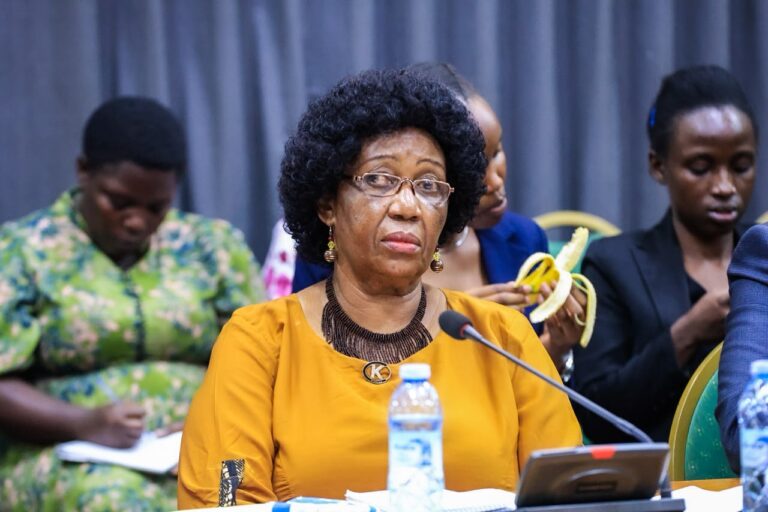
KAMPALA — Uganda Human Rights Commission (UHRC) Chairperson Mariam Fauzat Wangadya has been asked to produce written evidence showing that she withdrew her resignation after telling Parliament that President Yoweri Museveni rejected her decision to leave office.
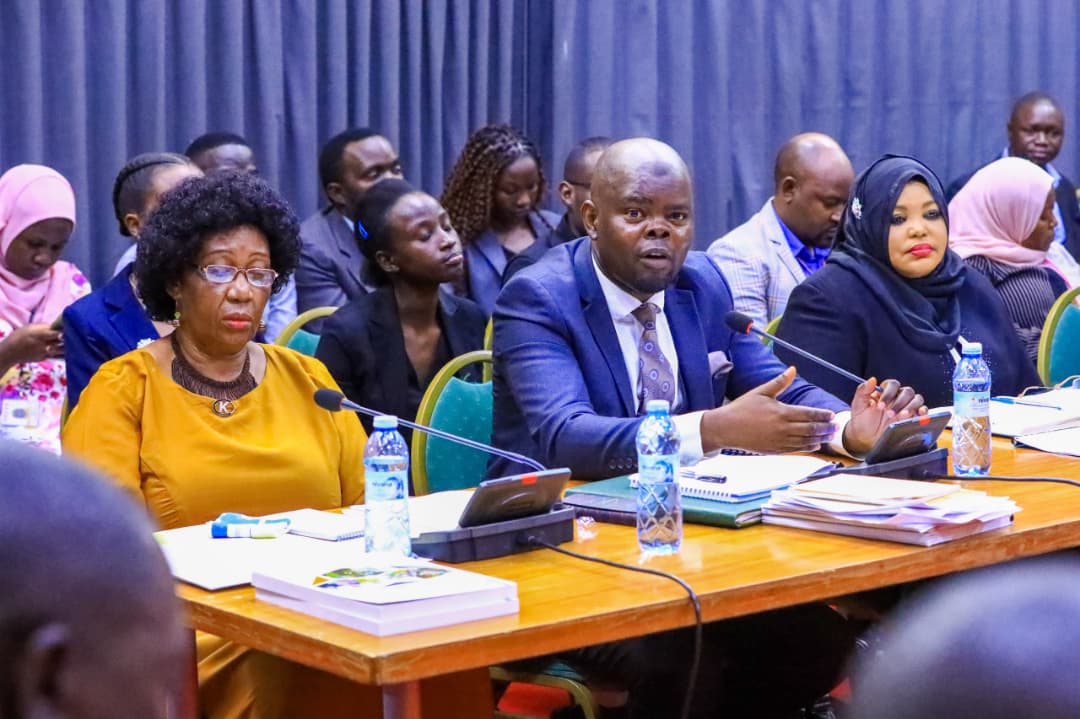
Wangadya appeared before Parliament’s Committee on Commissions, Statutory Authorities and State Enterprises (COSASE) on Tuesday, August 11, following a tense standoff over her failure to honour earlier summonses.
COSASE Chairperson Muwada Nkunyingi told her that if the President had declined her resignation, there should be a formal communication confirming that she had withdrawn it.
The demand has opened a new chapter in a controversy that began in early July when Wangadya announced her intention to quit the constitutional human rights body.
Wangadya told MPs that she had submitted her resignation to Museveni but later received a telephone call informing her that the President had rejected it and wanted her back at work.
According to Wangadya, the President did not communicate the decision in writing.
She said the reasons behind her attempted resignation had been explained to the President verbally and that she subsequently sent him a brief outlining the situation at UHRC. She said Museveni instructed her to remain in office.
“Be it as it may, lawmakers should take this matter that I remain in office,” Wangadya told the committee.
Nkunyingi, however, pressed her to provide documentary evidence.
“To avoid ambiguity, Madam Mariam, I just want that if your resignation was rejected, you must have the courtesy of writing back to withdraw and avail a copy,” the committee chairperson said.
The issue is particularly significant because the Attorney General, Sam Mayanja, had already told Parliament in July that Wangadya remained UHRC chairperson.
Mayanja said Wangadya’s communication to President Museveni on July 6 was a notice of intention to resign rather than an effective resignation. He explained that, under established legal practice, a resignation takes effect only after the formal resignation is accepted by the appointing authority.
That earlier explanation came after Wangadya's resignation letter became public. In the July 6 letter, she said she was stepping down as chairperson after years of service to the commission.
A resignation that refuses to disappear
Wangadya's attempted departure followed unusually blunt criticism of the institution she heads.
In early July, she accused the appointing authority of weakening UHRC through what she described as appointments of people who had failed politically or were experiencing financial difficulties. She described the commission as having become a “dumping ground” and said her experience as chairperson had turned into a nightmare.
She subsequently defended her decision to resign, arguing that stepping down from a senior public office should not automatically be viewed as misconduct or an admission of failure.
Wangadya told MPs that she had previously resigned from UHRC in 2013, when she was serving as a commissioner, and that resignation had been accepted.
She questioned why her latest resignation had attracted such intense attention.
For the MPs questioning her, however, the central issue was not whether resignation was acceptable but whether the process had been properly completed and documented.
Kalungu West MP Joseph Gonzaga Ssewungu argued that a written appointment followed by a written resignation should, logically, be followed by written communication if the resignation is rescinded.
The disagreement leaves an unusual paper trail: a written resignation, a reported verbal rejection by the President and a parliamentary demand for written confirmation that Wangadya withdrew the resignation.
The parliamentary standoff
Wangadya's appearance before COSASE also brought an end, at least temporarily, to a confrontation between the committee and the UHRC boss.
She had previously failed to appear before the committee despite two summonses, prompting Nkunyingi to threaten enforcement action and ordering that she be arrested for contempt.
On Tuesday, she arrived at Parliament at about 9am, before officers from the Criminal Investigations Directorate could serve the summons.
Her appearance allowed the committee to proceed with questions concerning the commission's operations and accountability.
The hearing comes against the backdrop of wider turmoil inside UHRC. Three commissioners — Simeo Nsubuga, Col. (Rtd) Steven Basaliza and Jacklet Atuhaire Rwabukurukuru — earlier petitioned President Museveni and the Inspector General of Government over allegations including financial misconduct, abuse of office and maladministration. The allegations remain contested and have not, by themselves, established wrongdoing.
The commission has also faced questions about the handling and age of human-rights complaints. Parliament's scrutiny is tied to the Auditor General's report on the commission and its management of public resources.
A constitutional institution under pressure
The controversy matters beyond Wangadya's personal employment status.
UHRC is a constitutional body established under Article 51 of Uganda's Constitution. The commission is appointed by the President with Parliament's approval, and its mandate includes investigating alleged human-rights violations, inspecting detention facilities, promoting human-rights education and recommending remedies for victims.
The Constitution also provides that the commission is independent and should not, in performing its functions, be subject to the direction or control of another person or authority.
That independence has made the leadership dispute particularly consequential.
Wangadya is not a newcomer to the commission. She served as one of its commissioners for 17 years before moving to the Inspectorate of Government, where she served as Deputy Inspector General of Government under Justice Irene Mulyagonja. She returned to UHRC as chairperson in 2021.
During her current tenure, the commission has continued to undertake human-rights investigations and adjudication. In 2025, for example, its tribunal awarded Shs115 million to victims of human-rights abuses in Northern Uganda.
The commission has also remained active on electoral and civic-rights issues. Ahead of Uganda's 2026 elections, Wangadya warned against violence and urged security agencies to operate within constitutional and international human-rights standards.
What happens next?
For now, Wangadya remains the substantive chairperson of UHRC, consistent with the position earlier communicated to Parliament by the Attorney General.
But COSASE's demand for a copy of the alleged withdrawal letter means the documentary question surrounding her resignation is unlikely to disappear soon.
The committee now expects Wangadya to substantiate her account that Museveni rejected her resignation and that she subsequently resumed office at his direction.
Until that documentation is produced, the unusual sequence remains at the heart of the dispute: Wangadya resigned in writing, says the President rejected the resignation by telephone, and Parliament is now asking where the written withdrawal is.
The controversy has therefore shifted from whether Wangadya resigned to a more precise question of how, and in what form, her resignation was reversed — a distinction that could prove important as Parliament continues examining the leadership and accountability of Uganda's constitutional human-rights watchdog.