
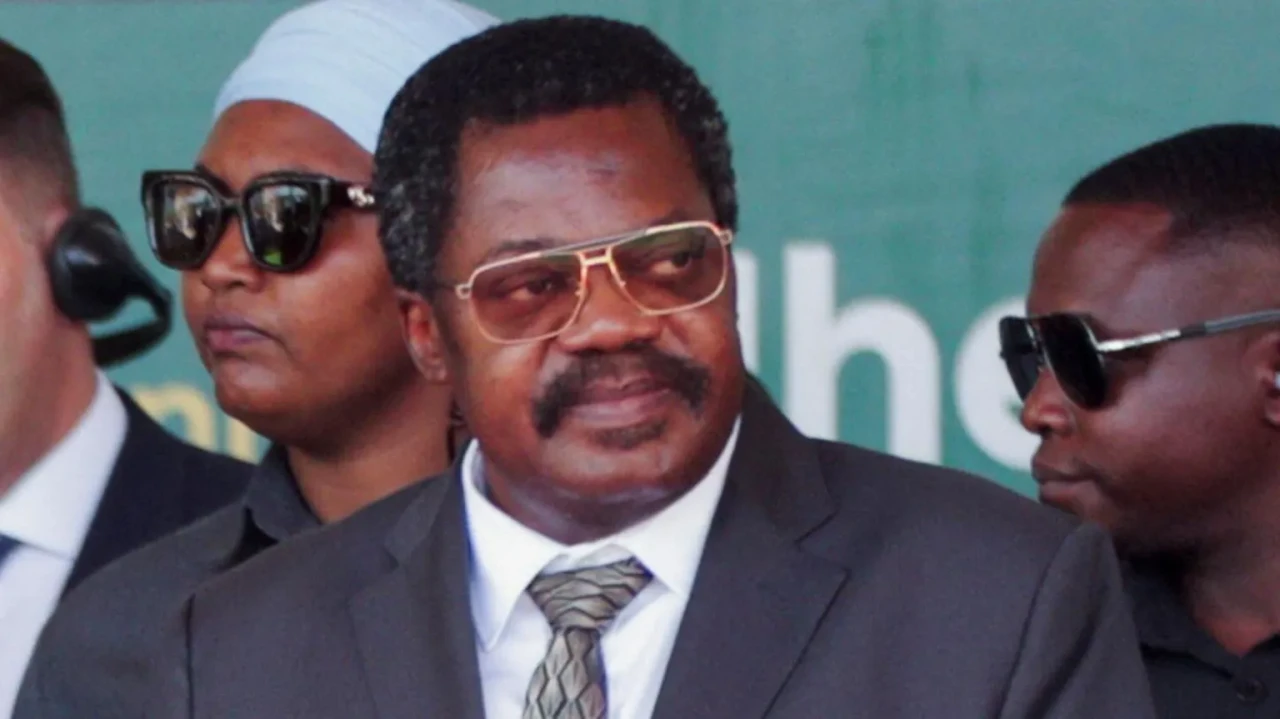
Tanzania’s political landscape has been shaken by the resignation of Vice President Emanuel Nchimbi, who announced that he was stepping down after what appeared to be growing differences with President Samia Suluhu Hassan.
Nchimbi made the announcement on August 26, sharing a copy of his resignation letter on his Instagram account. In the letter, he said he had come to believe that President Samia wanted to make changes and had therefore chosen to honour a promise he had previously made to step aside if she wished to appoint another deputy.
“I have become convinced, without doubt, that the president wants changes, and I have therefore decided to fulfil my promise,” Nchimbi wrote.
The 54-year-old said his decision was made in accordance with the country’s constitutional provisions and added that he intended to continue serving Tanzania as “a good citizen.”
Nchimbi had served as vice president for about 10 months after being sworn into office in November, following an election that saw President Samia and her running mate secure a landslide victory.
However, the election was overshadowed by controversy, with opposition figures reportedly arrested and detained. The electoral commission also faced criticism and allegations that it had failed to guarantee a free and fair process.
The aftermath of the election was marked by violent protests in several parts of the country. An official inquiry later reported that more than 500 people were killed, while many others were detained during the unrest.
The violence drew criticism from opposition parties and international human rights organisations, with security forces accused of using excessive force against protesters.
In his resignation letter, Nchimbi thanked President Samia, the ruling Chama Cha Mapinduzi (CCM), and the people of Tanzania for the trust and support they had given him throughout his years in public service.
But his departure comes after months of speculation about possible tensions within the country's top leadership.
In recent months, Nchimbi had made several political statements that sparked debate. Among them was his public call for Tanzania to adopt a new constitution, arguing that the country should, if possible, have one in place before 2030.
His remarks reportedly added to growing political tensions, particularly as opposition groups and civil society organisations continued to criticise the government's handling of constitutional and political reforms.
While the full circumstances behind Nchimbi’s resignation remain unclear, his departure is a significant moment for Tanzania. It raises fresh questions about the relationship between the presidency, the ruling party and the country's future political direction.
As Tanzanians await further developments, attention is now likely to turn to who President Samia will choose as the country’s next vice president—and what Nchimbi’s departure could mean for Tanzania's political future.