
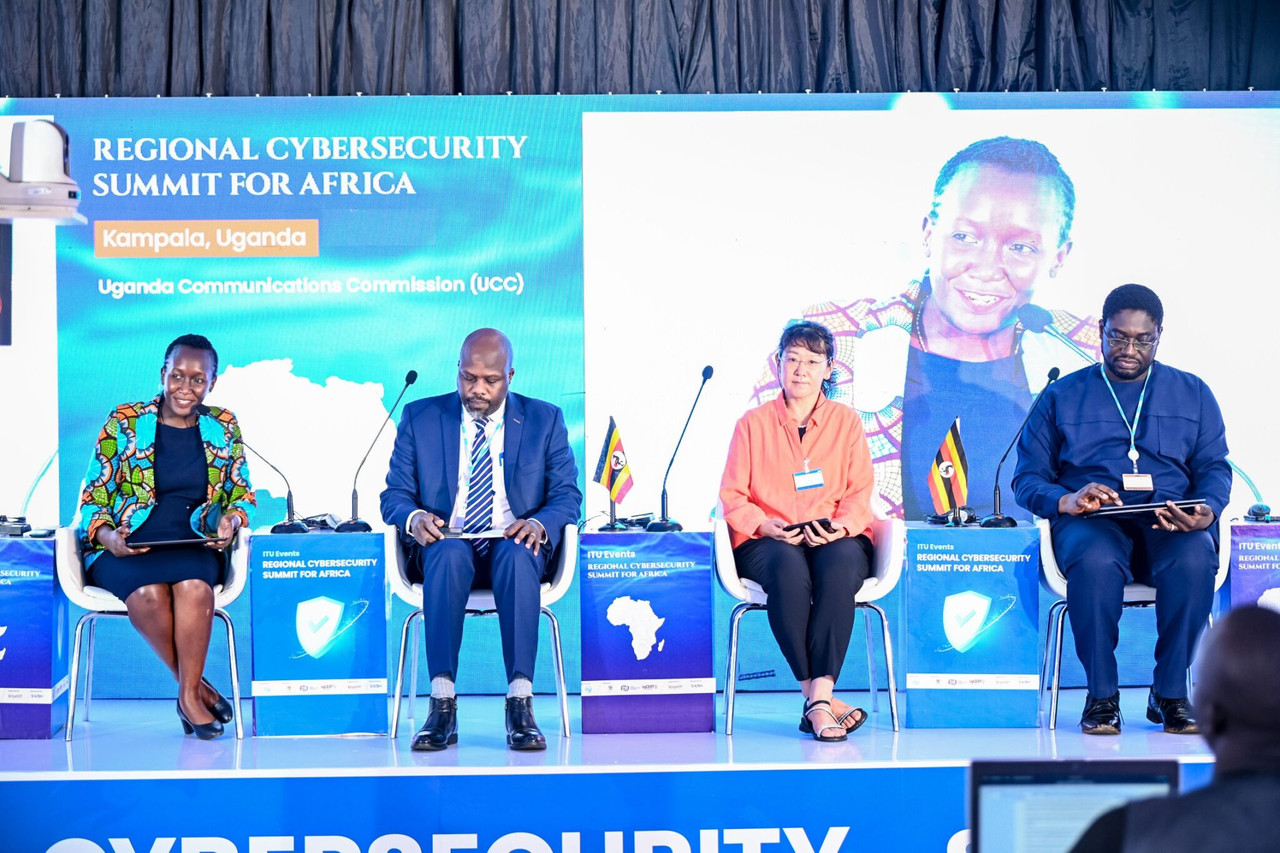
KAMPALA, Uganda — As digital financial services expand across East Africa, cybersecurity experts have gathered in Kampala to confront an escalating threat: the exploitation of mobile money and online banking platforms by increasingly sophisticated cybercriminals.
The two-day Regional Cybersecurity Summit , organized by the Uganda Communications Commission (UCC) , brought together experts from across Africa to share strategies on protecting critical infrastructure and responding to emerging threats in an increasingly interconnected digital landscape.
Acting Executive Director Eng. Irene Kaggwa-Sewankambo sounded the alarm on the double-edged nature of financial digitalization, warning that the very innovations driving economic inclusion have opened new frontiers for criminal enterprise.
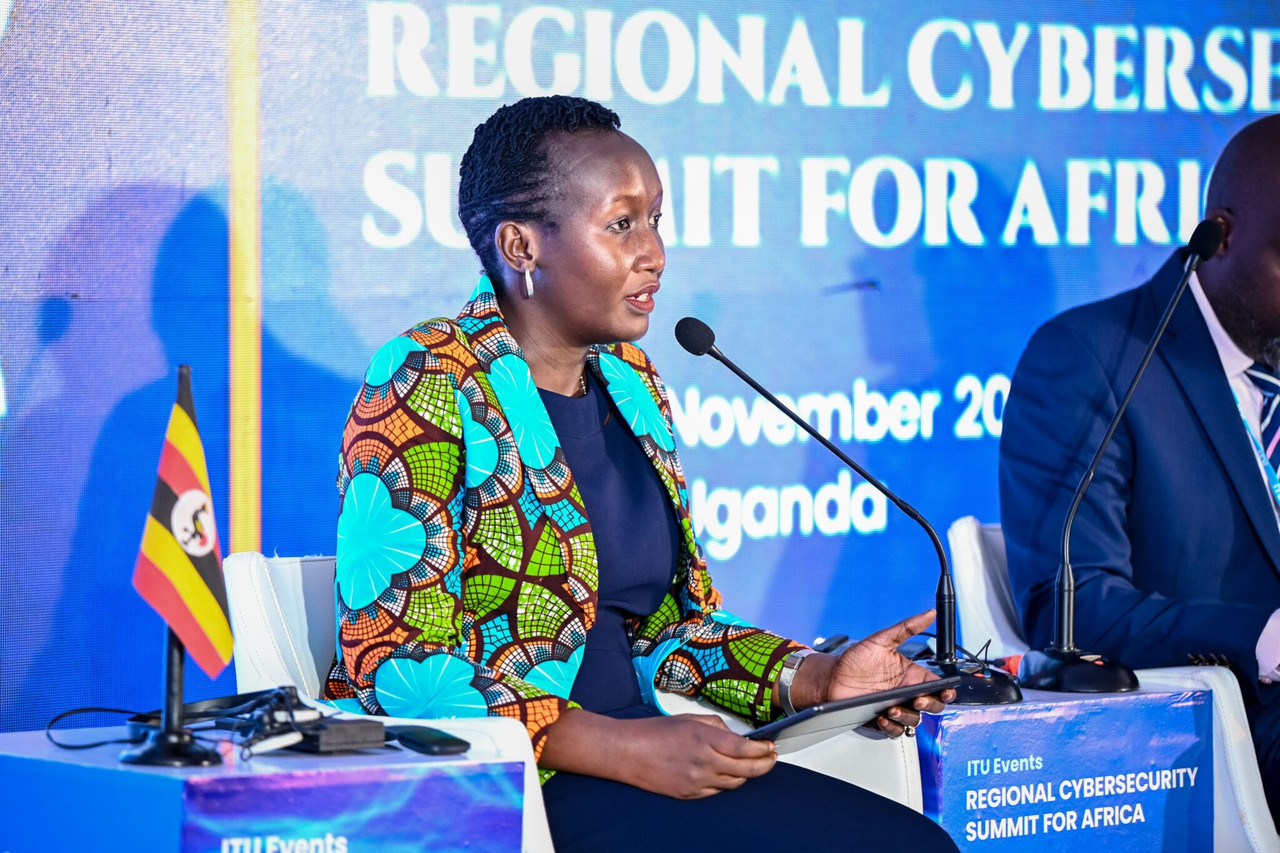
"Whereas growth in digital financial services is welcome, this also broadens the scope for cyber criminals to exploit vulnerabilities in the DFS ecosystem, potentially leading to financial and reputational loss and erosion of public confidence in these services," she told delegates.
Her concerns are not unfounded. According to the African Cyber Security Report 2016 , the banking sector remains the continent's leading risk sector, with phishing, identity theft, fraud, and cyberstalking among the most prevalent threats.
The Acting ED emphasized that public confidence in digital platforms hangs in the balance, particularly given the ubiquity of mobile money services across the region.
"All of us are familiar with digital financial services, especially mobile money, and we see that if fraud increases, then people fear to use these services. So trust and confidence in this axis is very important," Kaggwa-Sewankambo said.
She urged experts to develop adaptive mechanisms capable of addressing rapidly evolving threats, stressing that resilience must match the pace of innovation adopted by criminals.
Eng. Paul Odoi, a UCC Board Member, framed the cybersecurity push within Uganda's broader economic transformation agenda, noting that the government has invested significantly in ICT infrastructure and established a robust legal and regulatory environment.
"ICTs are now integral pillars of our social, economic transformative agenda," Odoi said.
He outlined Uganda's Digital Transformation Roadmap, which identifies five critical pillars for achieving the Digital Uganda Vision. The third pillar cybersecurity, data protection, and privacy aims specifically to ensure that digital services remain safe, secure, and worthy of public trust.
The summit, which Odoi described as a platform for strengthening readiness, resilience, and coordination, underscored a consensus that cybersecurity cannot be effectively addressed in isolation.
"The interconnected nature of today's world calls for global collaboration to effectively deal with the challenges of cybersecurity in partner states," Kaggwa-Sewankambo said.
As Uganda positions itself as a regional digital hub, the summit's outcomes are expected to inform policy frameworks and operational protocols aimed at safeguarding the continent's rapidly digitizing economies from an ever-present and evolving threat landscape.